Who we are
The Working Class Movement Library is managed by a dedicated team of staff, trustees and volunteers.
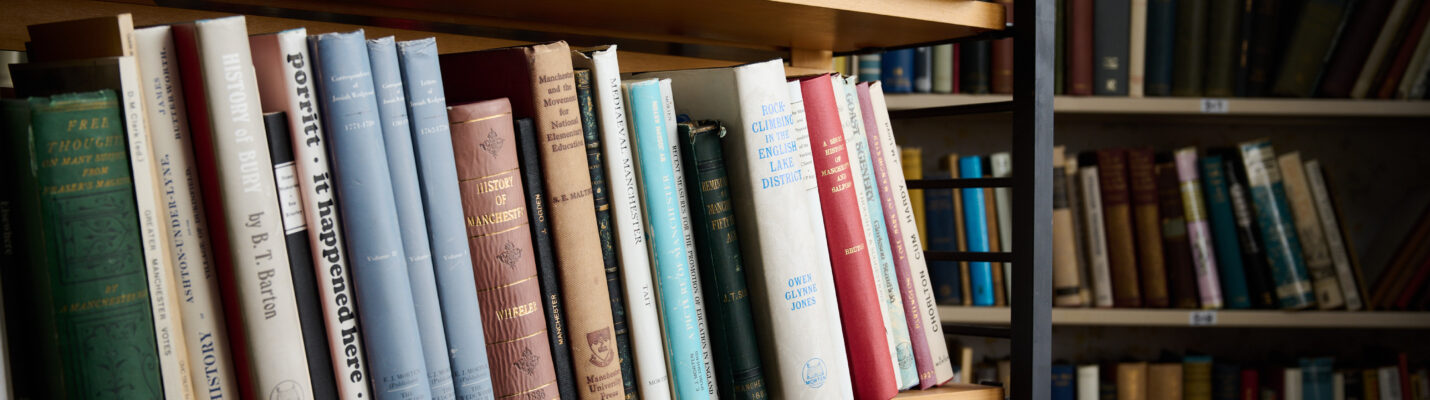
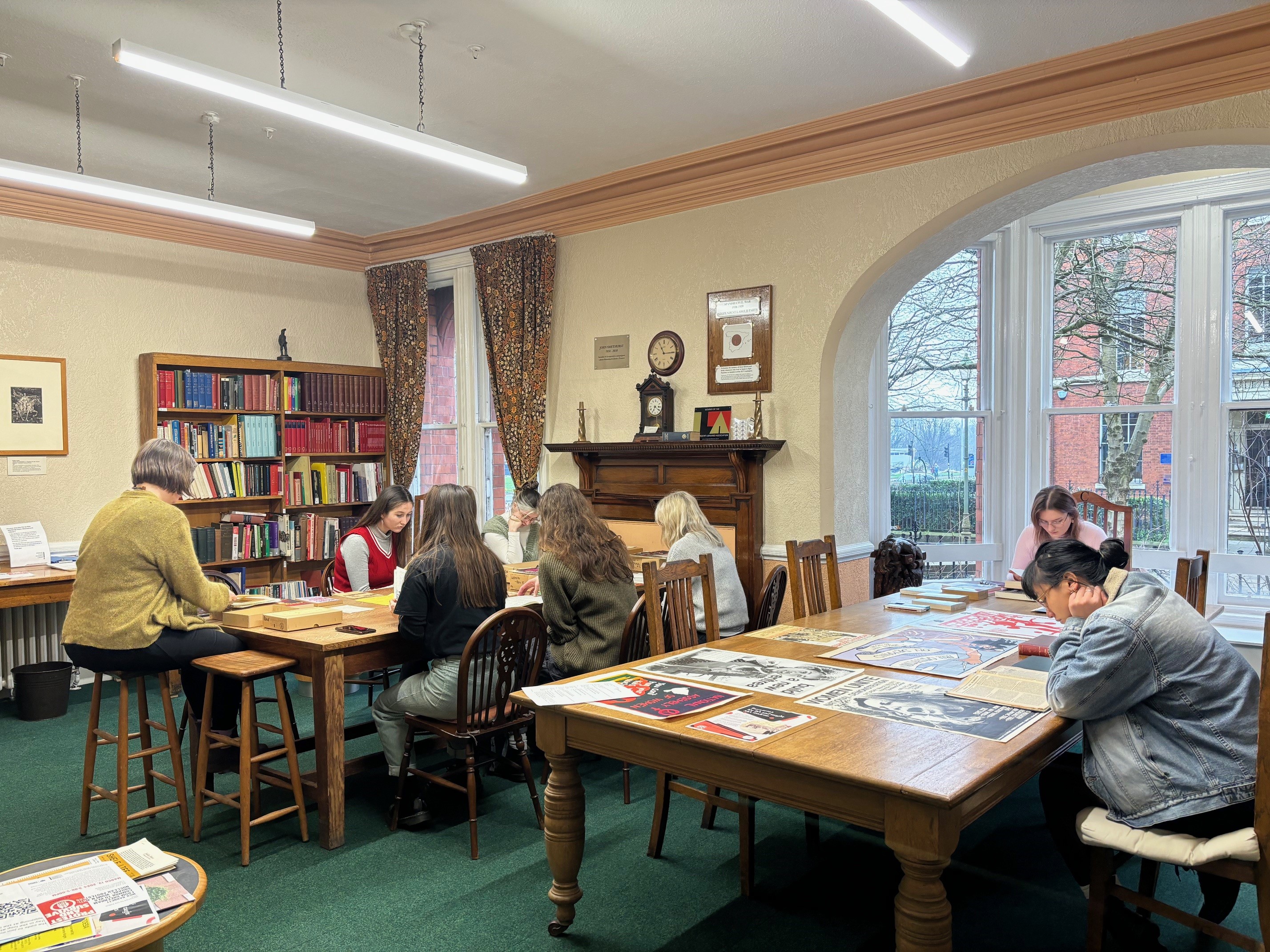
The Working Class Movement Library is an independent library and archive. We care for and give access to our library and archive collection that covers 200 years of working class history. The library was founded in the 1950s by Edmund and Ruth Frow. Both trade unionists, Eddie was an engineer and Ruth a teacher. Their passion for activism and working class history laid the foundation for our archive. They lived in their semi-detached home in Manchester for most of their life. It was packed floor to ceiling with books and attracted visitors from all over the country. In 1971 the library became a charitable trust and in 1987 we moved into our current home, Grade II listed Jubilee House in Salford. The library supports research, organising and community projects and provides a meeting space for activist and community groups. We offer tours, events and exhibitions and continue to develop our collection.
Our Mission ‘To provide open access to the collections and organise programmes, events, courses and other activities so that working class people can learn from, and interpret their history in order to enable them to apply a class perspective to contemporary politics and economics.’ Our A...
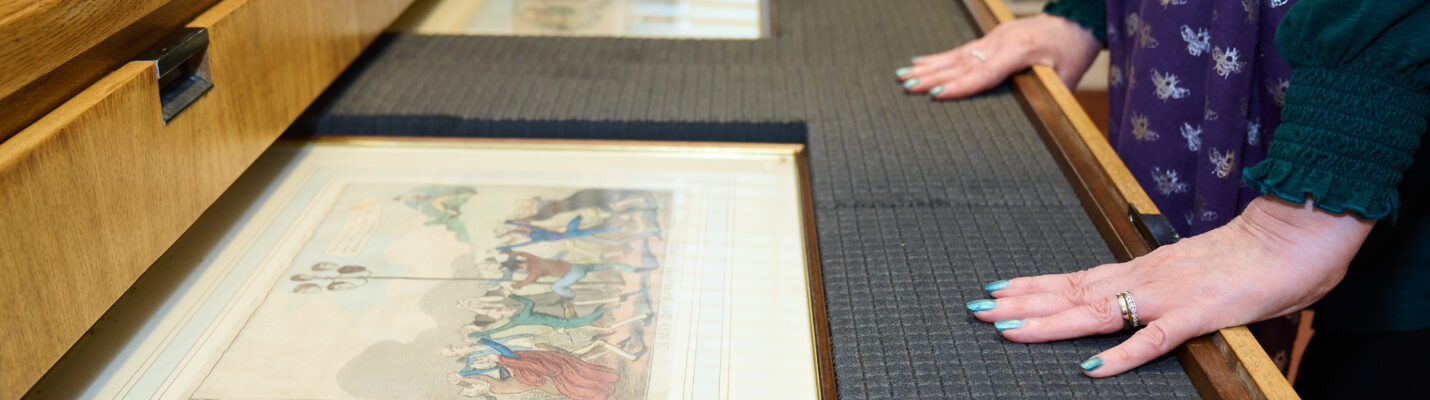
The Working Class Movement Library is managed by a dedicated team of staff, trustees and volunteers.
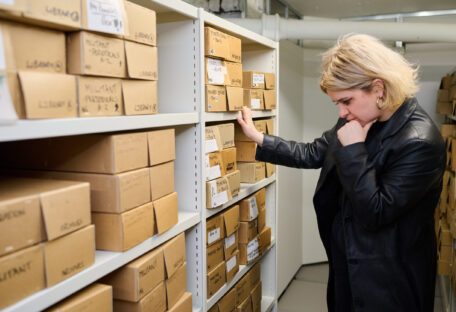
Collections Development Policy This policy helps to guide how we collect and add material to our collection. It was last updated in 2023. If you are interested in donating material to the library this policy will give you guidance about the type of material we collect and why. WCML Collections Devel...
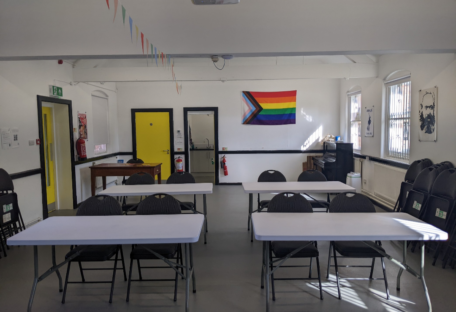
The Working Class Movement Library is based at the beautiful Jubilee House in the heart of Salford and is well connected by bus and train. Our events space, the annex, comes with a projector & screen and has a ramp on entry, accessible toilet, an air purifier and a small kitchenette. All the inc...